Hydrophones Used in Automated Aquaculture
Invest in the efficiency of aquaculture.
Shrimp Farms
Hundreds of DolphinEar hydrophones are used for this purpose every day.
Shrimp farms
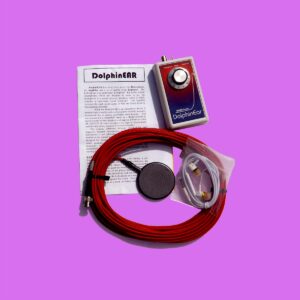
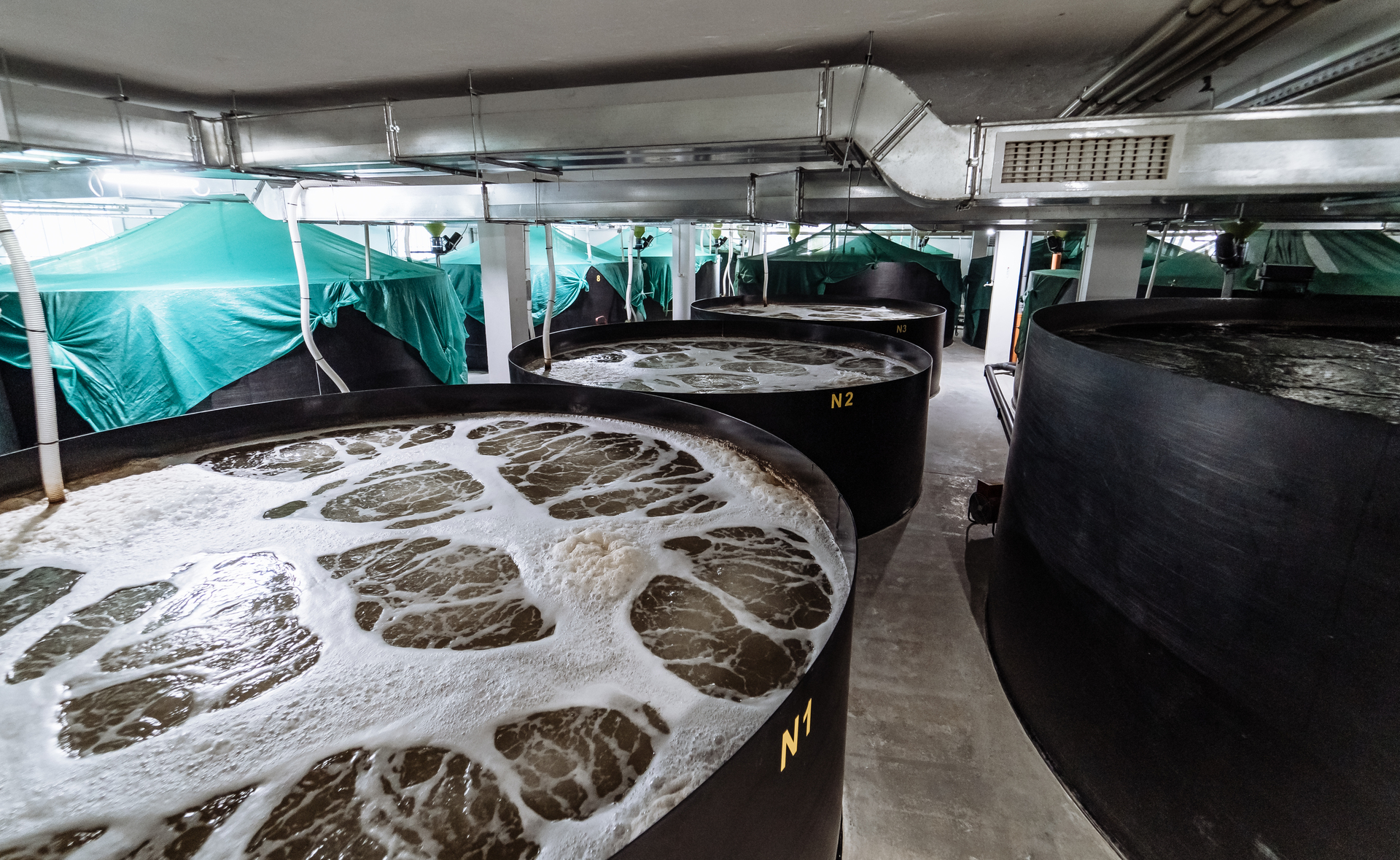
A DolphinEar hydrophone will help turn your shrimp farm into the most efficient version it can be. Using passive acoustic monitoring to listen to shrimp clicks can determine exactly when shrimp need feeding, removing the guesswork involved with drop feeding systems or timer systems.
Acoustic demand feeder systems reduce feed waste by providing feed exactly when it’s needed, adapting to variations in shrimp feeding behavious. Save money on wasted feed while ensuring minimal waste sitting at the bottom of their pond or tank.
The result: lower costs, healtier shrimp and better yields.
DolphinEar hydrophones are more rugged and affordable than other commercial hydrophone units. Plus, our support team can assist with the technical side if required.

Sounds of shrimp snapping when hungry
Environmental benefits
A significant benefit for automatic feeding control is improved pond bottom quality, especially in large ponds. Feed is no longer spread all over the bottom all cycle long. Instead, it is available only below the autofeeders and is consumed immediately when distributed, so that no excessive accumulation of feed is observed. The habitat is cleaner as less decomposing waste circulates within the tank, so less energy is needed for purification. On land shrimp farming also reduces water waste, destruction of natural land or waterscapes and is less chemical dependent.
Health benefits
Shrimp are a fantastic source of protein, antioxidants, vitamins D, B12 and B3. As people pay more attention to what is put into our bodies and the concern about he abundance of microplastics in the ocean, land based shrimp and prawn farming allows a controlled environment free of unwanted impurities. The risk of disease is reduced, although if it were to occur it would be contained within a tank not contaminating the ocean.
Food security
Shrimp are a fantastic source of protein, antioxidants, vitamins D, B12 and B3. Shrimp and prawns are the most consumed seafood worldwide, but with the dangers already being seen as a result of the climate breakdown, that food source could be at risk. There’s enough time to adopt aquaculture methods to maintain it as a foodsource for the long term.
Booming industry
Shrimp is the most popularly eaten seafood in the world. With the risk of climate changes destroying natural yields, aquaculture will become a vital industry for food security. Companies are starting to realize this, but are still small scale operations, but not for long. Incorporating our hydrophones enable acoustic demand feeders to maximise efficiency and profits.
World Aquaculture Society study of various feeding methods for shrimp:
| Treatment | Final weight (g) | Survival rate | Weight gain (g) | Weekly growth rate (g/week) | Feed conversion ratio |
|---|---|---|---|---|---|
|
Standard feeding protocol (SFP) |
23.55 |
75.8 |
23.5 |
1.47 |
0.94 |
|
SFP +15% |
24.65 |
72.2 |
24.6 |
1.54 |
1.04 |
|
SFP +30% |
26.29 |
77.6 |
25.6 |
1.97 |
0.99 |
|
SFP +45% |
26.87 |
75.2 |
26.5 |
2.04 |
1.11 |
|
SFP + 60% |
29.04 |
80.7 |
28.7 |
2.21 |
0.96 |
|
Automatic feeding |
28.66 |
66.9 |
28.6 |
1.79 |
0.98 |
|
Acoustic demand feeding *using a hydrophone* |
35.91 |
77.7 |
34.1 |
2.37 |
1.08 |
This study highlights the efficiency of acoustic demand feeders compared with other feeding methods when it comes to yield and maximisation of feed. Link to the study for more information
Also useful for Fish Farming
DolphinEar hydrophones are useful in Sor-based feeders, which use a variety of sensors to determine when fish become agitated and require feeding. While not as obvious as shrimp, and with the wide variety in fish species removing the plug and play simplicity, a hydrophone can assist with sensing changes in behaviour and can help with security of farms, telling you when intruders or predators are nearby.
A hydrophone can sense changes in fish behaviour, alerting you to intruders or predators.
We Recommend a custom DE200-48
DE200-48's with a custom 3.5mm connector have been used in the industry previously. We can design the Hydrophone and Amp-box setup for your needs on larger orders.
One of our regular hydrophones will work well, but we can dampen the frequency range for better detecting of shrimp snapping. For large installations, we can work with you to design an amp that'll accomodate multiple inputs and outputs for easy wiring.